
I’ve been at this blog experiment for almost 11 months now and I’ll be honest, there are times when utter panic sets in.
Within my six-days-a-week writing schedule, anxiety over coming up with a topic takes hold about three times a week. Usually, after taking a pause and deep breath, sometimes walking away, the light bulb comes on—sometimes a really dim bulb—and the writing flows.
One of my greatest concerns about writing so frequently is that the content will become diluted or seem forced. And often it does.
When Word Nymph was born in March of last year, it was fun. It was new. The ideas and the writing flowed effortlessly. Today, I’ve sat here for hours, staring at a blank screen, having scoured newspapers, magazines, my bookcase, my imagination and all my online sources. Nada.
Just as my palms got clammy and my heart raced to a frightening clip, I remembered a blog post my cousin pointed me to earlier in the week. It made me feel better and worse at the same time.
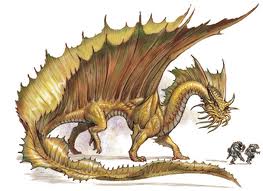 This remarkable blogger, writing under the name of The Digital Cuttlefish, articulated graphically the challenges of keeping up with a daily blog. In a post entitled The Care and Feeding of Dragons, the writer first puts forth an unattributed quote: “A blog is like a dragon. You have to feed it all the time and sometimes you get burned.”
In the post, Mr. or Ms. Cuttlefish hit the nail on the head. Blogging is easy at first. But, like the dragon, this beast must be fed, preferably a meaty and steady diet, or it will eat you alive.
I took a tiny bit of comfort in Cuttlefish’s words because I no longer felt alone in my anxiety. Also, Cuttlefish put a face to my fear with this hungry dragon.
Once I finished reading the Dragon post and scrolled down to get a feel for Cuttlefish’s other writings, my jaw dropped. I could no longer put myself in the company of this blogger. Yes, he/she too posts about six days a week. But every post—every single post—is written in rhyme.
I must know: What does the Digital Cuttlefish eat for breakfast?
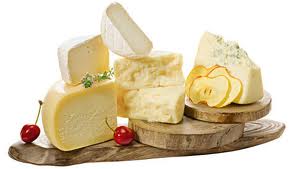 Upon waking this morning, I pulled my copy of The Cheese Course off the shelf. This book is mostly about the preparation of cheese dishes, but there’s an introductory section I found amusing. Author Janet Fletcher wrote in 2000 that “We Americans are clearly in the midst of a cheese revolution.” How did I miss that? Also, I’m fairly certain, if I were editing this book, that I’d have found a better place for the discussion about cutting the cheese than in the Cheese Etiquette section.
 We and our children have learned to sit patiently and listen to the story. Joking groans sound around the table as my father pulls the weathered booklet from his vest pocket, clears his throat and begins, “One Christmas was so much like another, in those years around the sea-town corner now and out of all sound except the distant speaking of the voices I sometimes hear a moment before sleep, that I can never remember whether it snowed for six days and six nights when I was twelve or whether it snowed for twelve days and twelve nights when I was six.”
 Word Nymph