
Hurricane Sandy’s doing her thing and I’m doing mine.
Yes, I’m blogging, as so many are. What’s there to say about Sandy that isn’t already being said? What elements of the human condition are being discovered?
 I’m not in the direct path and, as of now, Sandy hasn’t yet made the scene. It’s little more than a rainy Monday where I am but already I’m seeing posts of disappearing electricity from the other side of the Beltway.
A few moments ago, I re-read a text message I sent to an out-of-towner who had inquired about my welfare. My words struck me as what are quite likely to be my last words on this earth, preferably decades from now:
“I am scrambling to finish my vacuuming and ironing before everything goes black.”
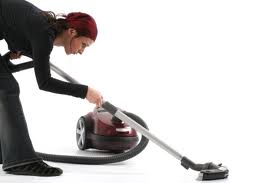 Two days ago, I stocked up supplies on while they were still on the store shelves. Yesterday I organized my refrigerated goods. Today, after tending to a client project, I vacuumed the house and ironed some altar linens for the church.
An image from one of my favorite childhood movies peeked through my consciousness: The Impossible Years, starring David Niven, about a stodgy British father of two California teenagers in the 1960s.
A scene, the father demanding his daughter clean her room, resonated with me as much in 1968 as it does today:
DAUGHTER: How can you make such a big deal about one little, messy room when the world is flying apart? Race riots, people dying from air pollution, and any moment we could be blasted from the face of the earth, victims of push-button warfare. I can’t understand you, Daddy. Where’s your sense of values?
FATHER: Linda, if we’re going to be blasted from the face of the earth, you’re going with a clean room!
My sentiments exactly.
Hypothetically, say Sandy takes a spin through my neighborhood and, hypothetically, a 150-year-old black walnut slips from the loose grasp of its soggy ground and, hypothetically, slices into our guest room, exactly as one did in 1996.
Can I bear the risk of an insurance adjuster spotting a dust bunny under the nightstand? Not on your life.
 The first: More than a few of us were reading A Time to Kill, John Grisham’s first novel. The book had come out three years earlier, but it had gotten little attention until Grisham’s next legal suspense thriller, The Firm, came out in ’92. Jury selection was a central part of A Time to Kill and those of us who arrived with paperback in hand were dying to be selected. The second thing I remember: Even though I wasn’t selected, I felt sequestered. A full work day at the courthouse without any contact with my office was nerve-wracking.
 I listened in on my fellow jurors’ cell phone conversations, rolling my eyes as they overstated the drama to their loved ones and colleagues. I could only imagine their exaggerated tweets.
 Word Nymph